
Feeling low on energy isn’t just about being tired. For many people, it’s a daily state that shapes mood, stress tolerance, motivation, and even mental clarity. Persistent low energy often travels with mental fog, emotional strain, and reduced productivity. While sleep, nutrition, and lifestyle all play foundational roles, certain botanicals have long been studied for their ability to help the body adapt to stress and sustain vitality.
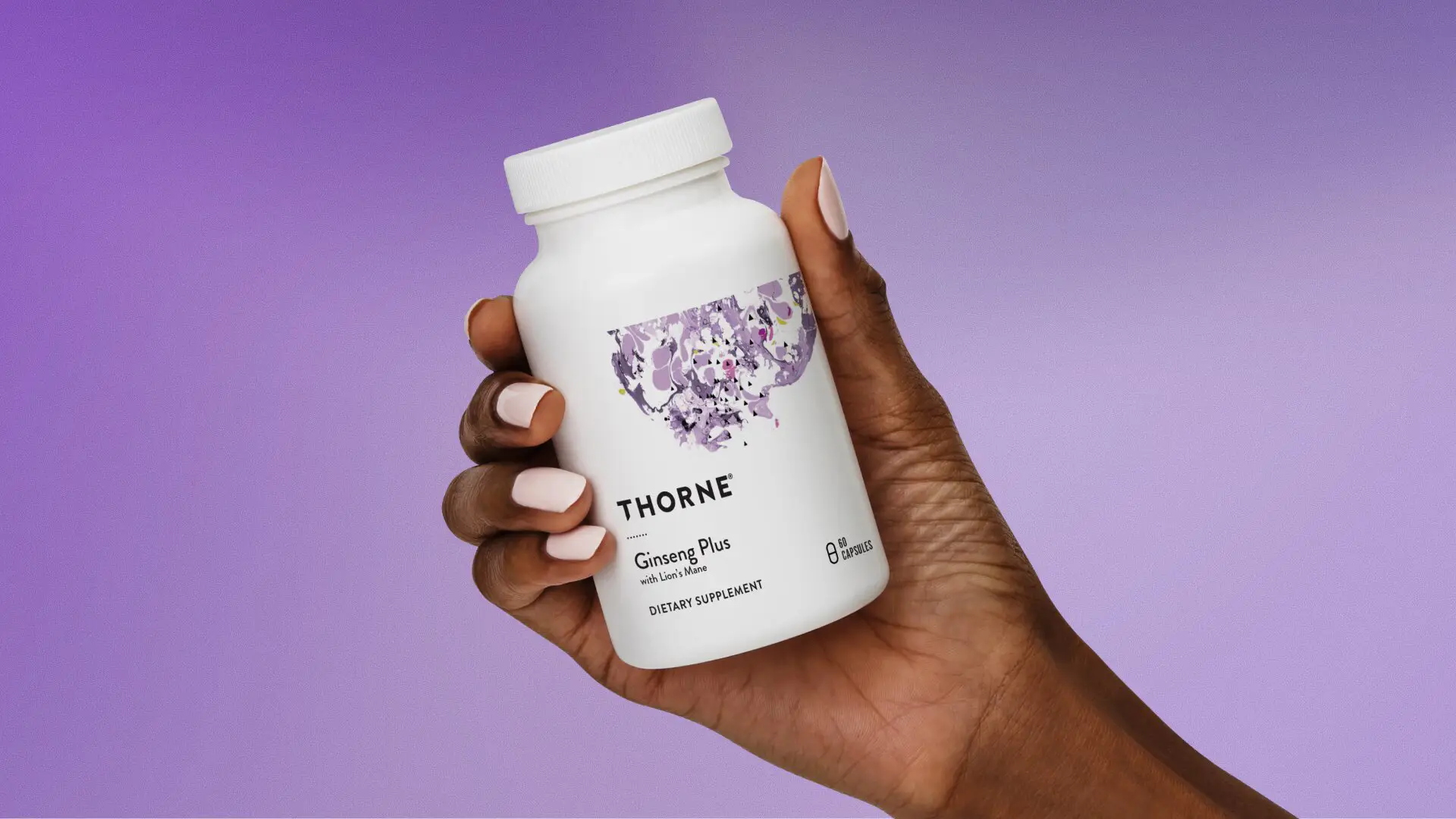
One of the most researched of these is Panax ginseng. Traditionally used across cultures to support stamina and resilience, ginseng is classified as an adaptogen, a botanical category associated with helping the body respond more effectively to physical and psychological stressors. Modern formulations combine ginseng with other supportive nutrients and botanicals. Thorne Ginseng Plus combines Korean red ginseng (Panax ginseng) with complementary plant extracts from lion’s mane and Greek mountain tea to support energy metabolism, cognitive function, and emotional balance.*
A 30-day consumer study explored how taking Thorne Ginseng Plus daily affected participants’ vitality, mood, stress, and mental clarity. This article examines the results of the study and interprets its implications for individuals looking for a supplement to support mind and body.*
What science says about Panax ginseng
Panax ginseng is one of the most extensively studied adaptogenic botanicals. Its bioactive compounds, called ginsenosides, help regulate stress pathways, mitochondrial energy production, and neurotransmitter signaling. Clinical trials and mechanistic studies consistently report improvements in perceived fatigue, cognitive performance, and stress resilience, especially in individuals with low baseline energy or experiencing mental strain.*
The broader pattern of effect indicates that ginseng works best when taken consistently over time, supporting energy as a systems-level effect across stress, cognition, and vitality, not as a short-term stimulant spike.*
The shift toward holistic wellness, preventive care, and plant-based alternatives has moved ginseng into mainstream supplement routines and is why consumer-reported experiences, like those from the 30-day Ginseng Plus study, are important.
What 30 days of Thorne Ginseng Plus really feels like
The consumer study on Thorne Ginseng Plus explored how 89 adults with low baseline energy experienced changes in vitality, mood, stress, and mental clarity when taking 2 capsules of Thorne Ginseng Plus daily for 30 days. Participants began with a seven-day baseline tracking period before starting supplementation.
Energy that builds (not spikes)
Energy scores increased steadily throughout the month, with an average improvement of nearly 2 points on a 10-point scale by the end of the study. More than half of participants experienced meaningful improvement within the first week, and by day 30, more than 85% reported significant gains. Rather than a sudden burst followed by a crash, the pattern suggested gradual, cumulative support.
Less perceived stress, better mood, clearer thinking As energy improved, other aspects of wellbeing shifted alongside it. Participants reported:
Many participants also described unexpected benefits, including better sleep quality (34%) and increased motivation (42%), suggesting that energy acts as a foundational driver influencing multiple dimensions of daily functioning.
The takeaway
After 30 days of daily supplementation with Thorne Ginseng Plus, participants with low starting energy reported meaningful improvements not only in vitality but also in stress resilience, emotional state, and cognitive sharpness. The early onset followed by continued gains aligns with patterns often associated with adaptogenic botanicals.*
Energy isn’t just a number on a scale; it is a feeling that touches every part of your day. When you support it through small, intentional habits, you unlock clarity, calm, and momentum that can change how you move through the world.
Note: These findings reflect consumer-reported outcomes based on 89 participants in a 30-day study. Individual results may vary.
News, videos, and Thorne stories delivered to your inbox each month.